
Simple Sourdough Focaccia Recipe
Bake golden, crispy sourdough focaccia at home with rosemary and olive oil. This easy sourdough focaccia recipe is perfect for Italian meals, picnics, or sandwiches.

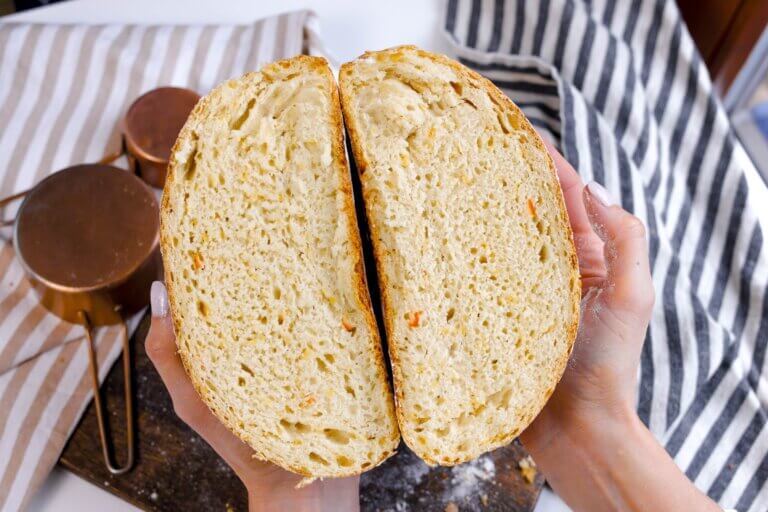
When we’re ready for a break from my usual homemade sourdough bread, this sourdough focaccia is the recipe I reach for first. It’s easy, dependable, and always a hit—whether we’re having friends over or just planning a cozy weekend meal. The olive oil and fresh rosemary bring such a classic Italian flavor that pairs beautifully with just about any dish. And because it slices so neatly, focaccia makes the perfect picnic food or even works as sandwich bread.

Why You’ll Love This Recipe
- Beginner-Friendly Yet Impressive: Even if you’re new to sourdough, this focaccia comes together with simple steps. If you haven’t baked with sourdough before, start with my beginner sourdough bread recipe—once you’ve mastered that, this focaccia will feel like second nature.
- Perfect for Sharing: Golden, airy, and dimpled with olive oil, this focaccia always disappears quickly at gatherings. It’s one of those recipes that feels fancy without the fuss, making it perfect for dinner parties or casual weekends with family.
- Pairs Beautifully with Soups: Nothing beats tearing into a piece of warm focaccia alongside a cozy bowl of soup. If you’re looking for inspiration, I’ve gathered my favorites in a roundup: Best Soup Appetizer Recipes {Easy Ideas to Try}. This focaccia makes the perfect companion to those comforting bowls.
What You’ll Need
Tools

Instructions
- Combine starter, water, and honey in a large bowl. Stir in flour and salt until a rough, shaggy dough forms.
- Cover and let the dough rise for 8–10 hours until doubled, airy, and bubbly.
- Line a baking pan with parchment, transfer the dough, and let rest until puffy (about 1.5–2 hours).
- Stretch gently to fill the pan, press your fingertips all over the surface, drizzle with olive oil, and sprinkle rosemary.
- Bake at 425°F (220°C) for 15–20 minutes, until golden brown. Cool slightly before slicing.

FAQ

Tips
1. Starter Strength:
Your focaccia will only be as good as your starter. Make sure it’s recently fed and passes the float test (a spoonful floats in water).
2.Hydration Balance:
If your dough feels too wet and hard to handle, add a small handful of flour. If it’s stiff, add a splash of water—focaccia loves a soft, well-hydrated dough.
3. Warm Fermentation:
Aim for 75–80°F. If your kitchen runs cooler, let it go longer or place the dough in a warmer spot, like an oven with the light on.
4. Dimpling Without Sticking:
Lightly oil your fingertips before pressing them into the dough so you don’t tear it.
5. Flavor Depth:
For more tang, refrigerate the dough for 12–24 hours before shaping—it develops a stronger sourdough flavor.
6. Creative Toppings:
Rosemary is a classic, but olives, cherry tomatoes, garlic, caramelized onions, or even parmesan make it your own.
7. Crispier Crust:
Brush the top with a little extra olive oil right after baking.
8. Serving Ideas:
Slice into squares for dipping, use as sandwich bread, or tear into rustic pieces for soups and salads.
Storage

Simple Sourdough Focaccia Recipe
Equipment
- Mixing bowls
- Measuring cups & spoons
- Danish whisk
- Parchment paper
Ingredients
- 100 g active sourdough starter
- 360 g warm water 1 ½ cups
- 20 g 1 tbs honey
- 600 g all purpose spelt flour
- 2 tsp salt
- 2 tbs olive oil
- 2 tbs fresh rosemary chopped
Instructions
- Combine starter, water, and honey in a large bowl. Stir in flour and salt until a rough, shaggy dough forms.
- Cover and let the dough rise for 8–10 hours until doubled, airy, and bubbly.
- Line a baking pan with parchment, transfer the dough, and let rest until puffy (about 1.5–2 hours).
- Stretch gently to fill the pan, press your fingertips all over the surface, drizzle with olive oil, and sprinkle rosemary.
- Bake at 425°F (220°C) for 15–20 minutes, until golden brown. Cool slightly before slicing.
Notes
Tips for the Best Sourdough Focaccia
- Starter Strength: Your focaccia will only be as good as your starter. Make sure it’s recently fed and passes the float test (a spoonful floats in water).
- Hydration Balance: If your dough feels too wet and hard to handle, add a small handful of flour. If it’s stiff, add a splash of water—focaccia loves a soft, well-hydrated dough.
- Warm Fermentation: Aim for 75–80°F. If your kitchen runs cooler, let it go longer or place the dough in a warmer spot, like an oven with the light on.
- Dimpling Without Sticking: Lightly oil your fingertips before pressing them into the dough so you don’t tear it.
- Flavor Depth: For more tang, refrigerate the dough for 12–24 hours before shaping—it develops a stronger sourdough flavor.
- Creative Toppings: Rosemary is a classic, but olives, cherry tomatoes, garlic, caramelized onions, or even parmesan make it your own.
- Crispier Crust: Brush the top with a little extra olive oil right after baking.
- Serving Ideas: Slice into squares for dipping, use as sandwich bread, or tear into rustic pieces for soups and salads.
Storage
At Room Temperature
Once the focaccia has cooled, keep it in an airtight container or wrap it in a clean kitchen towel. It will stay fresh for up to 2 days. The towel helps the crust stay crisp while keeping the inside soft, making it ideal for same-day or next-day eating.In the Refrigerator
For longer storage, place the focaccia in a sealed container or resealable bag and refrigerate for up to 5 days. The olive oil in the dough helps lock in moisture, though the texture may become a little firmer over time.In the Freezer
Focaccia also freezes well for up to 3 months. Slice it into portions, wrap each piece tightly in plastic wrap, then place the pieces in a freezer-safe bag. This keeps freezer burn away and makes it easy to pull out single servings whenever you want.Reheating Tips
- From Room Temperature or the Fridge: Preheat the oven to 325°F (160°C) and warm the focaccia on a baking sheet for 5–8 minutes to bring back the crisp crust. For a softer texture, wrap it in foil before heating. A quick microwave zap (15–20 seconds) also works, but note that it softens the crust.
- From the Freezer: Let the focaccia thaw at room temperature for 1–2 hours, or overnight in the fridge. Once thawed, reheat in a 325°F (160°C) oven for 8–10 minutes, uncovered, to revive that golden crust. Skip microwaving from frozen, as it can make the bread soggy.


This article may contain affiliate links, which means I make a small commission at no extra cost to you. As an Amazon Associate, I earn from qualifying purchases at no extra cost to you. You can read the full disclosure policy.


