

Can Chickens Eat Food Scraps? Backyard Chicken Feeding Guide
Can Chickens Eat Food Scraps? Yep! Find out which kitchen scraps chickens love, what to avoid, and what's good for them.
Can chickens eat food scraps? Oh, yes, they can! I never waste our table scraps and kitchen leftovers. Instead, I feed them to our backyard chickens, and they devour the food waste right away. But I make sure my birds stay away from anything moldy. I also avoid citrus, raw potatoes, avocado skins and pits, and a bunch of other things that aren't good for them.
The best way to show love to your feathered friends is by offering them chicken-friendly scraps like cooked meat, pasta, rice, veggies, fruits, and whole grains. The scraps on the list below provide loads of healthy nutrients, and chickens literally fight for them.
Raising chickens is a great way to produce your own healthy eggs and meat, so you can make hearty homemade meals. But what do you really want to do with all that leftover food?
It belongs in the chicken coop! And if there's too much of it or you don't have that many birds, toss it into the compost pile and grow some tomatoes, leafy greens, onions, strawberries, potatoes, sweet potatoes, kales, cabbages, broccoli, and more.

The Good and the Bad
As a caring backyard chicken owner, you need to understand that not all food scraps are created equal. There are unhealthy scraps that should never be fed to chickens, while certain common kitchen staples make highly nutritious treats.
I figured it was a good idea to share with you a list of recommended kitchen scraps, along with a list of what not to feed your birds.
Scraps That Are Rich in Protein
If you want your chickens to stay strong, productive, and happy, make sure they're getting enough protein in their feed. Unless you're okay with your birds looking jaded and scruffy during and after molting season next fall, protein-rich scraps are essential for better health and feather growth.
Protein-rich Scraps
To help them grow new feathers and keep laying eggs, give your backyard birds the following protein sources:
Aren't these food items you include in your recipes from time to time? Show your chick some tender loving care by feeding them the scraps after you've finished your meals!
By the way, chickens don't need tons of protein to thrive. According to this study, the chickens did just fine and recovered from induced fasting beautifully, even with a protein level of as low as 12.4%. But I must mention that their diet was supplemented with methionine, an amino acid-rich nutrient.
My backyard friends love these scraps, and they're really good for them. Start including them in your chickens' diet, and you'll thank me later.
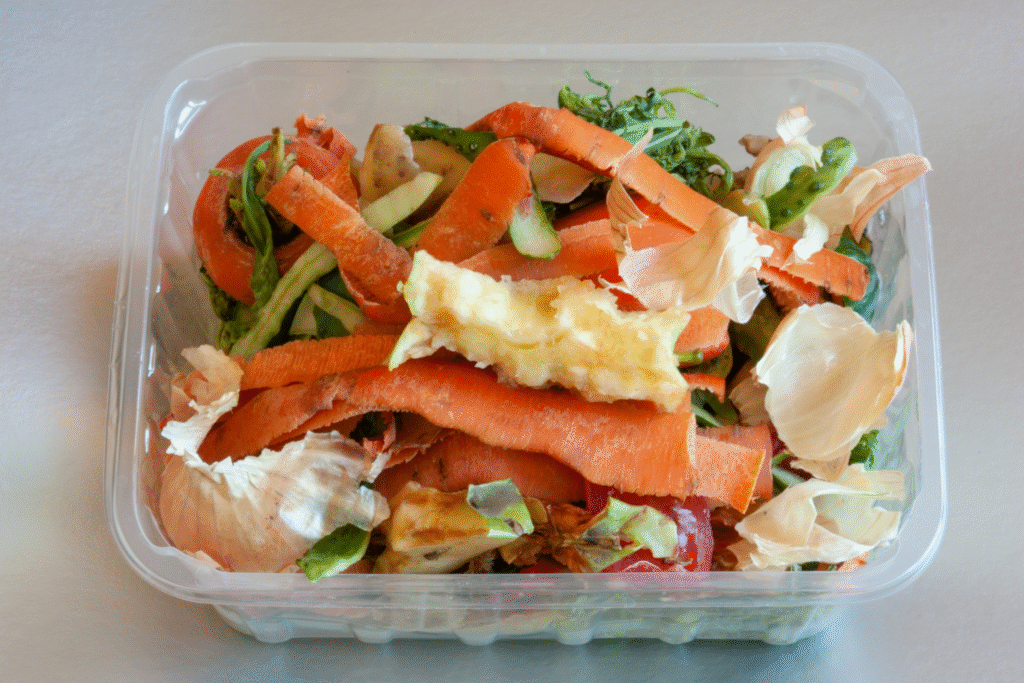
Good Vegetable and Fruit Scraps
The best vegetable and fruit scraps contain different kinds of vitamins, and your poultry flocks need enough of them to stay healthy. They need vitamin K for egg production, bone strength, blood clotting, and growth. They also need vitamin A for vision, reproduction, healthy tissues, growth, and immunity, especially during heat stress.
And if you want to multiply your chicken population, feed them with vitamin C. This vitamin not only strengthens overall immunity and reduces bird loss rate, but it also helps chicks deal with stress better. Then there's B vitamins, which are essential for growth, energy, and overall function. Check out this research to learn what other vitamins do for backyard egg layers.
Below is a list of vegetable scraps your coop's dwellers need not only to survive but also to thrive:
Fruit scraps offer pretty much similar benefits to your flock, except your birds are going to love them and eat them more because they're sweeter.
Below is a list of fruit scraps you should be feeding to your chicks:
In my book, no. There's no such thing as a complete chicken feed without a healthy amount of good grains. In some places, poultry consume large quantities of grains. They're often the primary food source. But if you want a healthy flock, let grain-based food scraps, along with greens and proteins, form the bulk of their diet. Your birds deserve a varied diet that meets their nutritional needs, you know?
Grains are the carb champion, but they also offer some B vitamins and protein. Sounds like an all-in-one chicken food to me, kind of like a burrito bowl for us humans. They provide the energy your birds need to keep active and grow strong.
Grain scraps (also fruit and vegetables) also contain fiber, both soluble and insoluble. This fiber plays a crucial role in poultry health and nutrition. Soluble fiber supports digestion by maintaining a healthy gut bacteria balance, while insoluble fiber helps by increasing the surface area of the intestines, promoting nutrient absorption.
That said, excessive soluble fiber can be counterproductive and might even slow down digestion and hinder nutrient absorption. Learn more about the role these dietary fibers play in chickens' digestive systems here.
Harmful Foods Your Chickens Shouldn't Feed on
While leftovers from many fruits, vegetables, and grains can be great additions to a healthy poultry diet, not all chicken scraps are safe for chickens. Some foods contain tons of natural toxins, high salt and fat levels, and even mold. Chicks don't handle these well.
Others can disrupt digestion, affect egg quality, or, in some cases, cause serious illness or death. Since hens tend to eat whatever you offer them, I figured a list of chicken food scraps to avoid would be helpful for you.
Give the following foods a wide berth:
- Margarine, butter, and spoiled dairy: A chicken's digestive tract isn't great at digesting dairy and fats, especially if it's rancid or mold is starting to grow.
- Alcohols and fermented foods: Even in small quantities, alcohol isn't recommended for chickens, as it is toxic. Well, I'm guilty of feeding stale bread to my feathery friends, but at least I make sure the bread is dry and I break it into small pieces to make it easier to digest.
- Greasy or fatty scraps: These are not great for us, and they're not great for poultry either. Too many scraps can cause obesity in animals, and we all agree that greasy or fatty scraps make things even worse. All those junk food leftovers should go straight to the trash bin, not the chicken coop.
- Salty foods: Food with a high salt content can lead to dehydration, diarrhea, weight loss, renal damage, or even death.
- Raw potato peels may contain solanine, which isn't good for chickens.
- Green tomatoes and tomato leaves: These can upset the digestive system.
- Avocado skins & avocado pits: These contain a harmful fungicidal toxin known as persin.
- Uncooked or dried beans: Raw beans contain lectins, which are highly toxic.
- Raw meat and other raw fresh: You don't want to encourage cannibalism and egg-eating, do you?
- Excess garlic: Too much and your eggs will taste....different.
- Onions: If eaten in large quantities, they can lead to anemia.
- Moldy or spoiled food: Food that's gone bad can contain mycotoxins. These are toxins produced by mold and can cause illness or even death in chickens.

Tips and Best Practices for Backyard Chicken Keepers
- A good rule of thumb is the 90/10 rule. About 90% of a hen's diet should come from a commercial feed (or a properly formulated homemade feed) and 10% from scraps and other treats.
- Scraps should be offered in moderation. Also, try to give the chicks a variety of different things rather than too much of one thing.
- Always cut up large scraps into smaller pieces to make it easier for chickens to peck and digest.
- Avoid spoiled or moldy food.
- Ensure your baby chicks and their moms and dads can access fresh water at all times.
- Formulate a complete feed that provides a balanced diet to make health problems less likely.
- Some foods may not be great for chicken in large amounts, but aren't harmful if fed sparingly from time to time.
- When faced with health issues, consult a certified professional such as an avian veterinarian or contact your local Cooperative Extension Service.
Wrapping It UP
One way to deal with food waste at home is to feed it to your backyard chickens. That said, certain feed scraps are not good for poultry; avoid these at all times.
It's best to stick with safe leftovers like veggies, fruits, grains, and cooked protein.
Skip moldy, spoiled, salty, excessively garlicky, and toxic foods. Take the above dos and don'ts of feeding backyard chicken seriously, and your little birds will reward you with strong, healthy feathers, meat, and eggs.




Comments
No Comments